Start with an outfit you trust
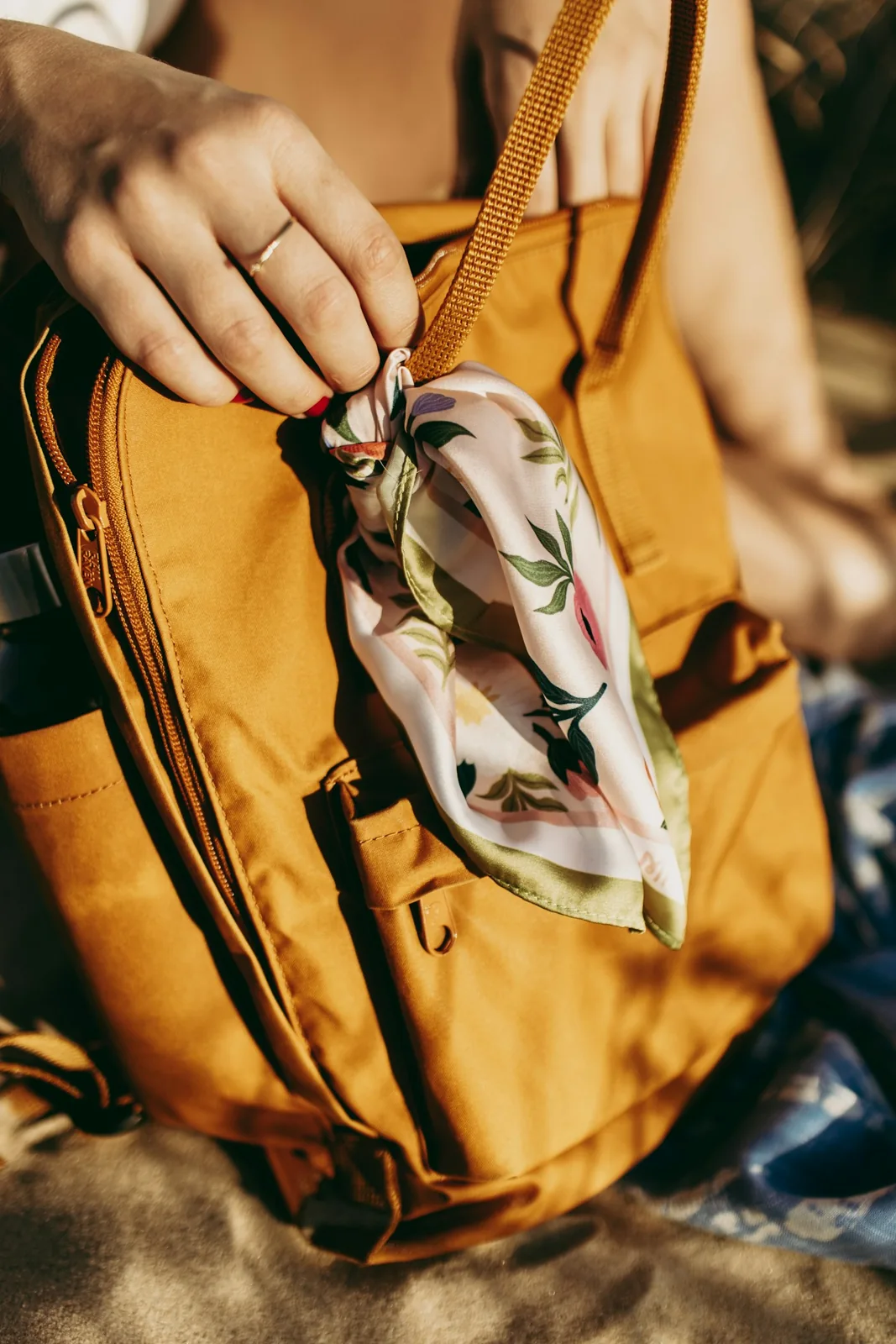
Experimenting with personal style is easier when most of the outfit already feels comfortable. Choose clothes you regularly wear and change one accessory rather than rebuilding the entire look. A scarf, a bag or a small piece of jewelry can introduce a different mood without making the day feel like a costume experiment.
Begin with items you own. Set them beside the outfit, then try them on. The relationship between scale, color and movement is often clearer when the pieces are worn than when they are arranged neatly on a bed.
Notice the detail you enjoy
Instead of asking whether the result follows a trend, describe what appeals to you. Perhaps a structured bag makes a soft outfit feel more defined, or a repeated color links two pieces. You might enjoy an unexpected texture or an object with a personal story. Naming that detail helps you recognize it again.
Take a quick photograph if useful, but compare it with how the outfit feels in motion. An accessory that constantly slips, catches or needs adjusting may not suit the activity even when it looks good in a still image. Practical comfort belongs in the decision.
Let repetition reveal a pattern
Try the same accessory with several familiar outfits over time. You may discover a recurring preference for a particular shape, material or contrast. This is a more grounded style vocabulary than a list of adjectives chosen before you have tested anything. It grows from choices that you actually enjoy wearing.
Store frequently used accessories where they are visible and easy to return. Small items can disappear into drawers, leaving you to choose the same thing by default. A simple arrangement makes experimentation easier without requiring a large collection or a new organizer.
Buy for a clear relationship
If you decide to add something, identify what it will work with and when you will use it. Check the product's materials, care information and relevant details before purchasing. Avoid assuming that a more expensive or more prominent item will automatically make an outfit feel personal. Its usefulness depends on its relationship with the rest of your wardrobe and your habits.
Personal style does not have to become a fixed uniform. Some days may call for simplicity, others for a detail with more presence. The common thread is attention: understanding the effect of a small choice, keeping what feels comfortable and allowing the collection to reflect your own preferences rather than an imagined set of rules.
Try placing the accessory beside the clothes you plan to wear the night before. Seeing the combination together can make an unfamiliar choice feel easier.
Sources & further reading
- Original editorial planning guide. The practical suggestions in this article are editorial judgments.
Source links provide context for this original feature. Illustration is not documentary evidence of a specific event.