Begin with what you can see
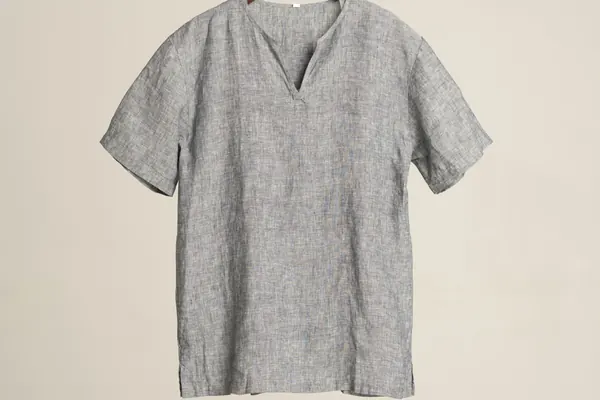
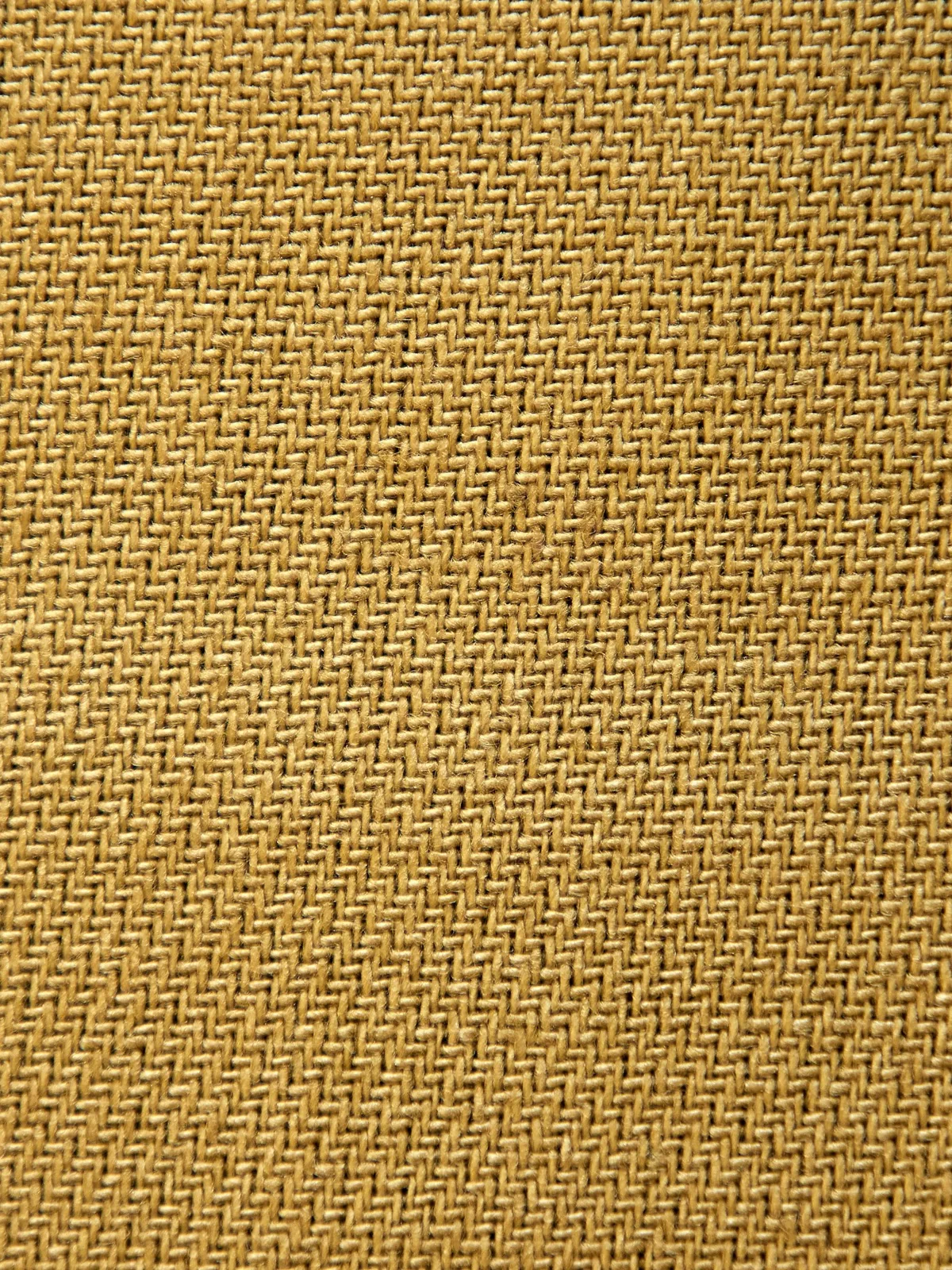
A textile can be interesting before you know its technical name. Look at a scarf, a jacket or a household cloth in good light. Notice whether the surface appears smooth, ridged, open or dense. Turn it over if the item can be handled safely. The reverse may reveal a different view of the pattern and the way the threads meet.
Museum resources offer useful context. The Textile Museum introduces the fibers used to make cloth, while the Smithsonian's coverlet collection explains how particular woven structures create recognizable designs. These resources show that a textile's appearance is connected to both material and construction.
Separate material from structure
The fiber named on a label and the way a fabric is constructed are different pieces of information. A description of cotton or wool does not by itself tell you everything about the cloth's surface. When looking at a textile, keep several questions open: what is it made from, how is it assembled and what finishing or decoration has been added?
You do not need to identify every answer immediately. Record what you notice in ordinary language. 'The pattern looks different on the back' is a useful observation and a good starting point for a more specific question.
Use museum objects as a comparison
A collection photograph can help you notice repeated features, but it cannot reproduce every quality of a physical textile. Scale, feel and the effect of changing light are easy to miss on a screen. Read the museum's object description rather than relying only on the image, and distinguish documented information from your own impression.
When viewing historic textiles in person, follow the institution's handling and photography rules. A museum object is not a sample to touch unless the display explicitly permits it. Learning to look carefully can be rewarding without physical contact.
Bring the observation back to everyday choices
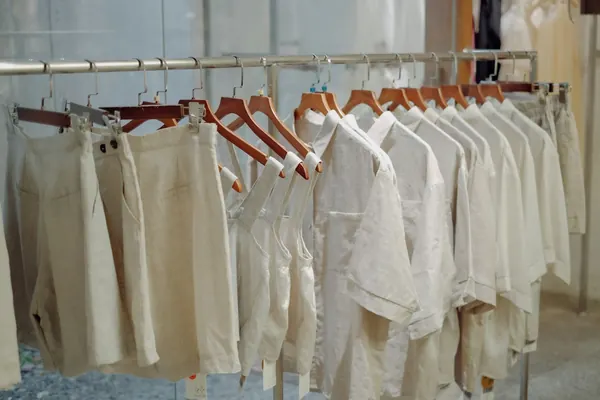
The same attention can make ordinary shopping more thoughtful. Compare how two garments hang, examine the finish and read their labels. Ask what you enjoy about the surface rather than assuming that a more complicated pattern or a familiar material automatically makes an item better. Suitability depends on the purpose and the whole garment.
At home, choose one textile and spend a few minutes describing it. You may notice a border, a repaired area or a subtle change in the weave that has been present for years. Looking closely turns an everyday object into evidence of design and making, and gives familiar clothes and household pieces a little more depth.
Sources & further reading
Source links provide context for this original feature. Illustration is not documentary evidence of a specific event.