Begin with the clothes already waiting
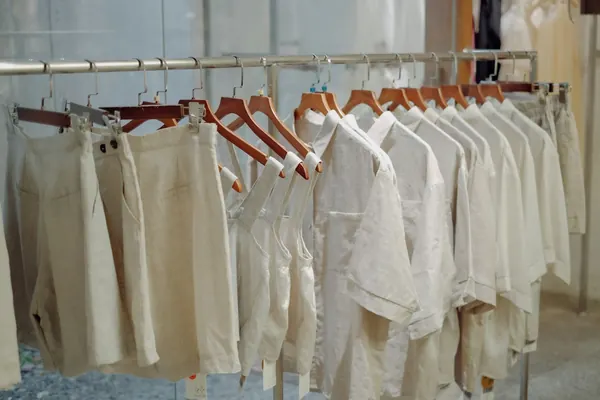
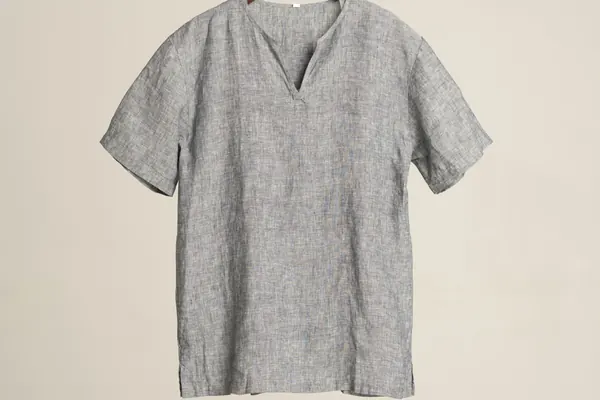
A repair kit becomes useful when it connects with a real task. Look at the garments you have set aside and identify the problem without trying to solve everything at once. A missing button is different from a damaged zipper, a torn lining or an alteration that changes the fit. Some jobs are suitable for a beginner learning carefully; others deserve professional attention.
Choose one low-stakes task on an ordinary garment. Use reliable instructions for that specific repair and practice on scrap material when appropriate. A kit should support a skill you are developing, not create pressure to improvise on something irreplaceable.
Keep the first kit modest
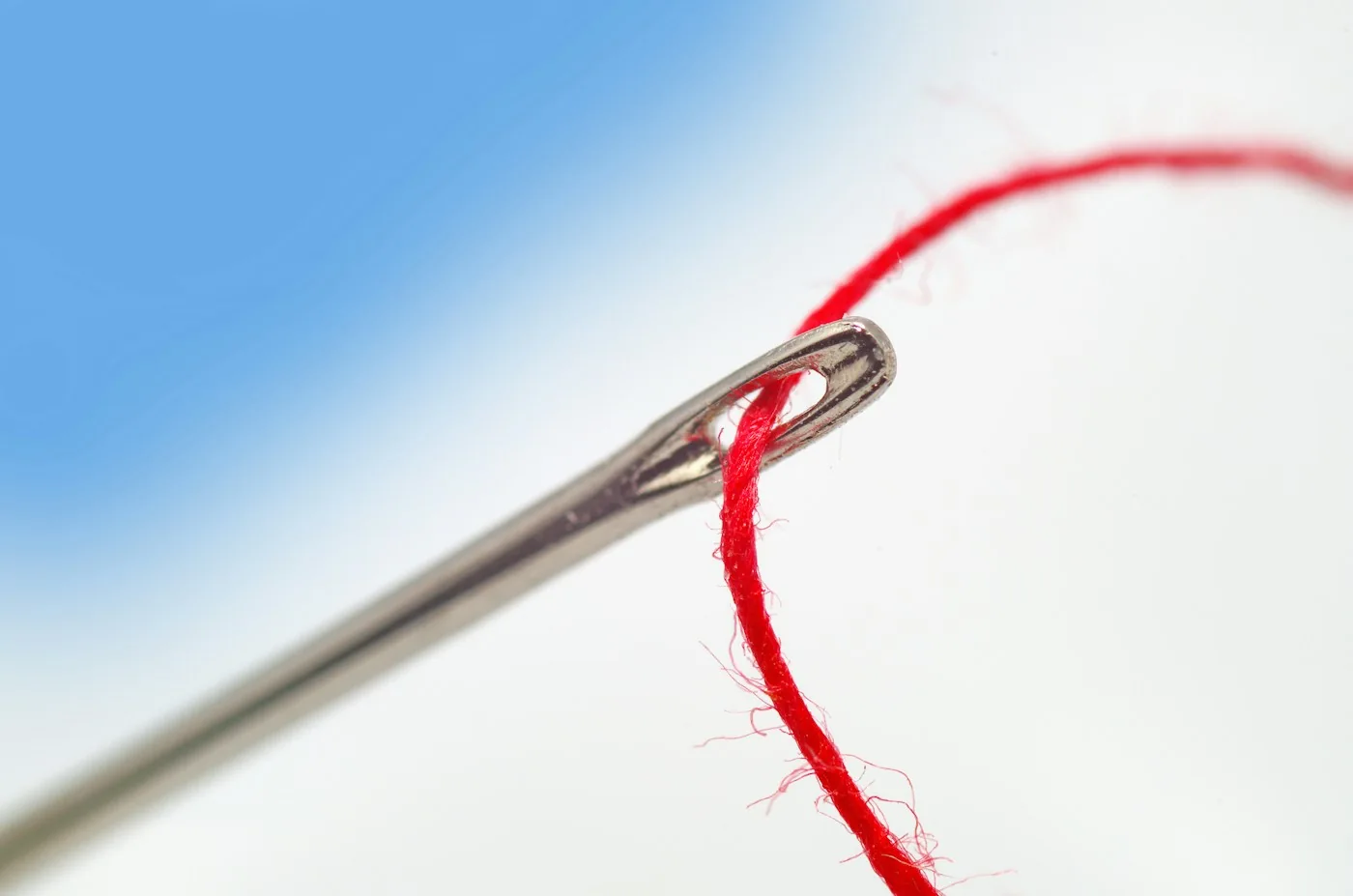
The contents depend on the task, but avoid buying a large assortment simply because it is labeled complete. Select suitable tools and materials with guidance from a knowledgeable supplier or the instructions you are following. Keep sharp items protected and stored safely, particularly in a household with children or pets.
Spare buttons become more useful when they are identified. Keep the small packets that arrive with clothing and label them with the matching garment. A note or photograph can prevent a later search through a collection of nearly identical shapes and colors.
Make inspection part of the process
Before starting, examine the surrounding fabric and construction. A visible problem may be part of a larger area of wear. If you do not understand what has happened, stop and ask someone experienced rather than covering it with a quick stitch. The goal is a wearable garment, not simply making the damage less obvious for a moment.
Follow the care instructions and avoid applying adhesives, heat or other treatments on the assumption that they are harmless. Different garments need different approaches. For clothing with special protective functions or important structural features, consult the appropriate professional or manufacturer.
Close the loop after the repair
Once the work is complete, check the result carefully according to the method you used. Put tools away safely and return the garment to a place where it can be worn. A repair project that remains in a pile of supplies has not yet solved the original problem. Keep a short note of the technique if it is one you want to repeat.
It is equally useful to identify a trustworthy alterations or repair service for work beyond your ability. Maintaining clothes can combine small home tasks with professional help. A modest, well-understood kit earns its place by making appropriate repairs approachable, while reminding you that knowing when to stop is part of learning to care for what you own.
Sources & further reading
- Original editorial planning guide. The practical suggestions in this article are editorial judgments.
Source links provide context for this original feature. Illustration is not documentary evidence of a specific event.