Choose a route you can enjoy slowly
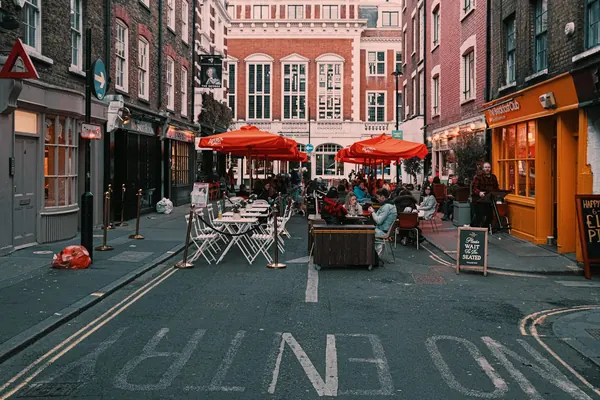
An architecture walk can begin with a single street rather than a list of celebrated buildings. Choose a manageable public route with places to stop without blocking other people. Look for a mix of uses or ages if possible: shops, homes, civic buildings and the spaces between them. The interest comes from comparison as much as from individual landmarks.
For historical context, consult reliable local resources. The National Park Service's heritage-travel itineraries are one example of place-based guidance that connects buildings and sites with broader stories. Check current access arrangements before planning to enter any property.
Look at the ground floor first
Street-level details show how a building meets everyday life. Notice doorways, steps, windows, signs and the relationship between an entrance and the pavement. Ask what the design makes easy or difficult for a person arriving on foot. Then look upward and see whether the upper floors follow the same pattern.
Compare neighboring buildings without rushing to assign a style name. One may use deep window openings, another a flat façade. A repeated material or roofline can make a varied street feel connected. Describing what you see is a useful first step even when the vocabulary is unfamiliar.
Separate clues from conclusions
A date carved over a doorway is a clue, not a complete history. A building may have been extended, repurposed or rebuilt. Record questions and check them later through a local archive, heritage organization or other authoritative source. Avoid presenting a guess about age or purpose as a fact, especially when sharing photographs or notes.
Respect the distinction between public observation and private space. Stay on permitted routes, follow posted restrictions and do not enter a property simply because it appears in a guide. A good walk can be made entirely from details visible from the street.
Return with a different question
Try the route again another day with a new focus. You might look at building materials, shopfront changes, public seating or the way a corner is used. Repetition makes it easier to notice details that a single hurried visit misses. It also keeps the activity manageable without requiring a new destination every time.
Finish with a small record: three observations, one photograph if appropriate and one question to investigate. The aim is not to become an expert after an afternoon. It is to develop a more attentive relationship with the places you already pass, and to let ordinary streets reveal the layers that make them distinctive.
Look at where different materials meet around a window or doorway. These transitions often reveal design decisions that a distant view of the building misses.
Sources & further reading
Source links provide context for this original feature. Illustration is not documentary evidence of a specific event.