Choose a familiar place
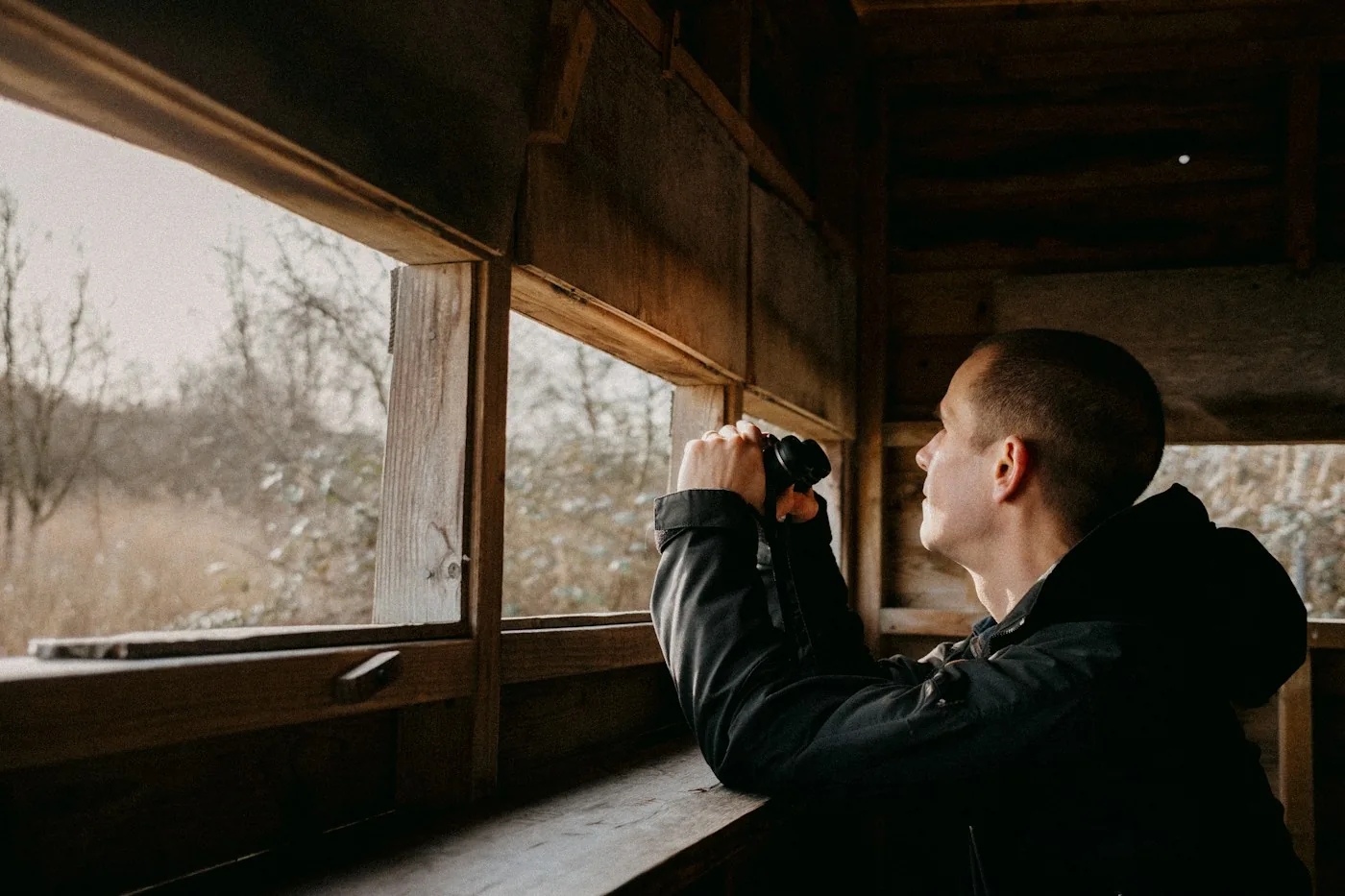
Birdwatching does not have to begin with a special expedition. A park, a garden viewed from a window or a permitted walking route can provide a manageable starting point. The Cornell Lab's beginner guidance encourages paying attention to birds during ordinary time outdoors. Familiar surroundings let you spend less effort navigating and more effort noticing what is happening.
Choose a place where you can pause without obstructing others or entering restricted space. Follow local rules and keep an appropriate distance from wildlife. Observation should not depend on disturbing a bird or approaching a nest.
Describe before you identify
When a bird appears, resist the urge to look down immediately for a name. Notice its approximate size, shape, movement and location. Is it on the ground, moving through branches or flying overhead? What colors or markings can you see clearly? A few reliable observations are more useful than a confident guess based on one impression.
Listen as well as look. You can note the pattern of a sound without pretending to recognize it. If using an identification resource, compare several details and remain open to uncertainty. An app suggestion is a lead to consider, not a requirement to record a definite sighting.
Keep a simple field note
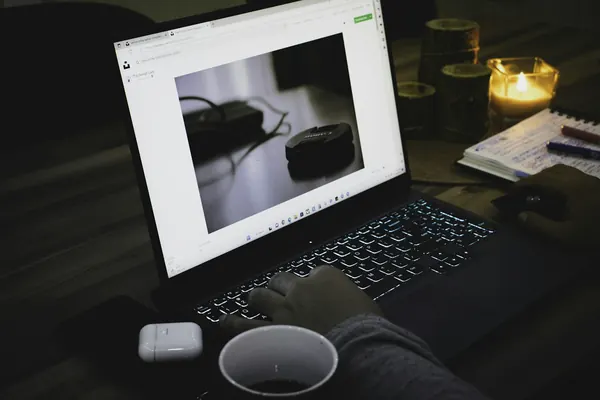
Record the place, date and a short description. Add what the bird was doing rather than only a possible species name. A note such as 'small bird searching along the lower branches' preserves something you actually observed. If you make a photograph, avoid allowing the effort to obtain it to override sensible distance or site rules.
You do not need an elaborate life list at the beginning. A few pages about the same location can reveal how your attention changes. Repeated visits may make a previously confusing shape or sound feel more familiar.
Let curiosity set the pace
Use beginner resources from organizations such as the Cornell Lab or the National Park Service to develop the next skill. That may be comparing shapes, learning how to use binoculars or understanding the birds commonly found in your area. Add equipment only when you understand what it will help you do.
A successful outing does not require an unusual species or a perfect photograph. It may simply involve noticing something you passed yesterday without seeing. By returning to the same ordinary route, you build a record of attention that can make a nearby place feel richer without making the activity complicated.
Make room for sightings you cannot identify. A careful description without a species name is still a useful record of what happened during the walk.
Sources & further reading
- Cornell Lab of Ornithology: Tips for Beginning Birdwatchers
- National Park Service: Birding for Beginners
Source links provide context for this original feature. Illustration is not documentary evidence of a specific event.