Verify the market before the outing
A farmers-market visit begins more comfortably when you know where and when it takes place. Check current information from the organizer, including access, operating dates and any details relevant to your visit. The USDA's National Farmers Market Directory is one starting point for finding U.S. markets, but a listing should still be checked against the market's own current announcements.
Bring an idea of what you need without making the list so rigid that it defeats the purpose of browsing. Leave room for one ingredient that catches your attention, provided you can explain how you will use it.
Ask about the ingredient, not a general promise
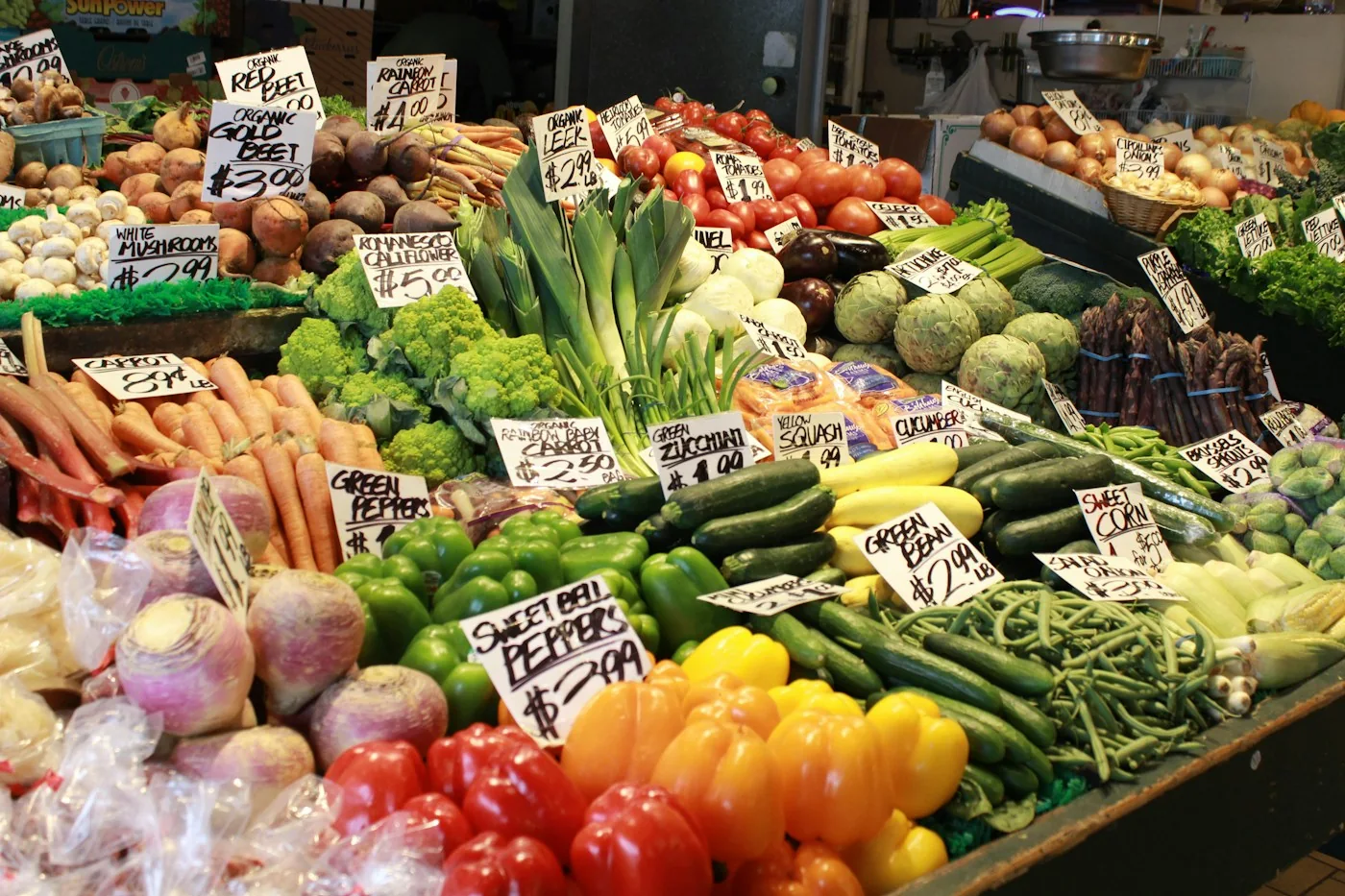
Specific questions tend to produce useful answers. Ask what a variety is called, how the seller likes to prepare it or which option suits the meal you have in mind. If production methods or origin matter to your decision, ask directly and understand what is actually being claimed. Do not infer those details from a rustic display or a handwritten sign.
Be considerate when a stall is busy. Have a short question ready and allow the seller to serve other customers. A good conversation can be brief and still give you a clearer understanding of the purchase.
Make quantity part of the decision
An appealing display can encourage buying more than the week can accommodate. Before choosing a large bundle, think about the first and second meals in which it will appear. If no realistic second use comes to mind, a smaller amount may be the better purchase. Consider your storage space and the instructions appropriate to that ingredient.
For foods requiring temperature control, plan suitable transport and follow authoritative handling guidance. A pleasant morning out should not leave perishable food waiting through several unrelated stops. Build the rest of the outing around getting purchases home appropriately.
Bring the information back to the kitchen
Write down the name of an unfamiliar variety and any useful preparation suggestion before you forget it. Use a reliable recipe or authoritative guidance when you need technical instructions. The seller's favorite idea can be an invitation to learn, while your own cooking notes help determine whether it becomes part of the routine.
At the next visit, tell the seller what you tried if there is time. This can make the exchange more specific and enjoyable. A good market habit is less about filling a basket for a photograph and more about developing a practical connection between the people selling food, the ingredients available and the meals you genuinely want to make.
Sources & further reading
Source links provide context for this original feature. Illustration is not documentary evidence of a specific event.