Distinguish inconvenience from a warning
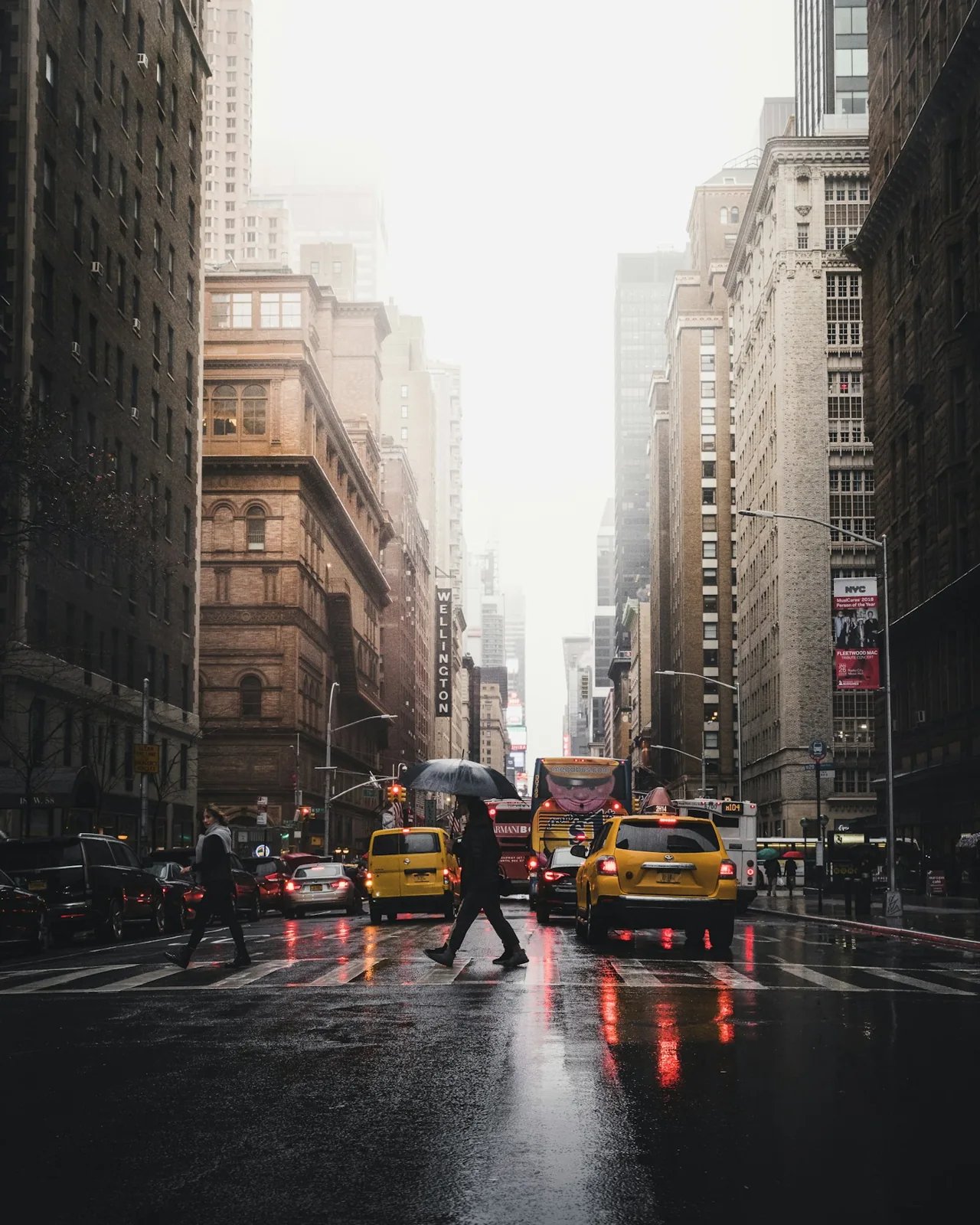
Rain can change the atmosphere of a trip, but weather planning should begin with reliable information rather than a photograph of an umbrella. Check the relevant official forecast and any alerts for your destination. In the United States, the National Weather Service provides forecasts and warnings; elsewhere, use the appropriate national or local authority.
An indoor alternative is not a reason to ignore hazardous conditions or travel advice. Follow official instructions and be willing to postpone movement when necessary. The useful planning question is what remains appropriate under the actual conditions, not how to preserve every booking at any cost.
Build a second route, not scattered stops
A list of indoor attractions can still produce an awkward day if each one is far from the next. Group alternatives near your accommodation or a reliable transport connection. A museum, a nearby place to eat and a bookshop can form a satisfying route without repeated long transfers. Check opening information and booking requirements directly.
Look at the gaps between the indoor parts. Entrances, station walks and waiting areas can matter in wet weather. Consider accessibility and the needs of the group, and avoid assuming that a short line on a map represents an easy connection.
Keep one or two commitments flexible
If every hour is prepaid or tightly timed, changing the day becomes harder. Where practical, leave some activities unbooked until the forecast is clearer. Read cancellation and change terms before purchasing, and do not assume flexibility that is not stated. A simple plan with room to move can be more useful than a full schedule of theoretical options.
Pack according to the journey and the conditions, following the guidance for any outdoor activity. Think about where wet belongings can be handled and how you will protect essential documents and devices. The goal is a workable day rather than a perfect travel outfit.
Let the alternative have its own appeal
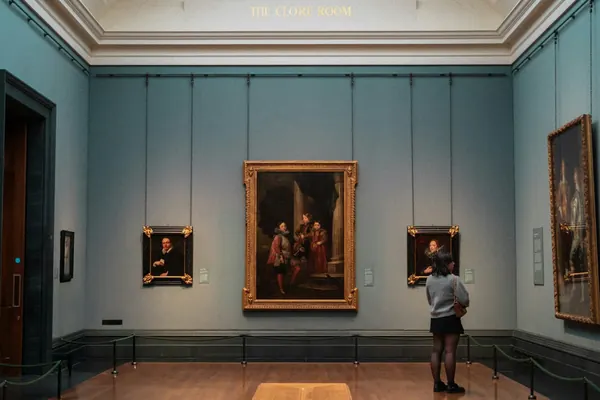
Choose an activity you would enjoy even if the weather improved. That changes the emotional tone from losing a day to taking a different route through the destination. A quieter museum visit, a long lunch or time with a local collection can reveal a side of the place that the original itinerary overlooked.
When conditions allow, leave space for a short unscheduled observation: the view from a window, the sound of a covered market or a familiar street in different light. A flexible trip does not require pretending that weather never disrupts plans. It means making thoughtful decisions when it does, with safety and practical comfort ahead of the checklist.
Sources & further reading
Source links provide context for this original feature. Illustration is not documentary evidence of a specific event.