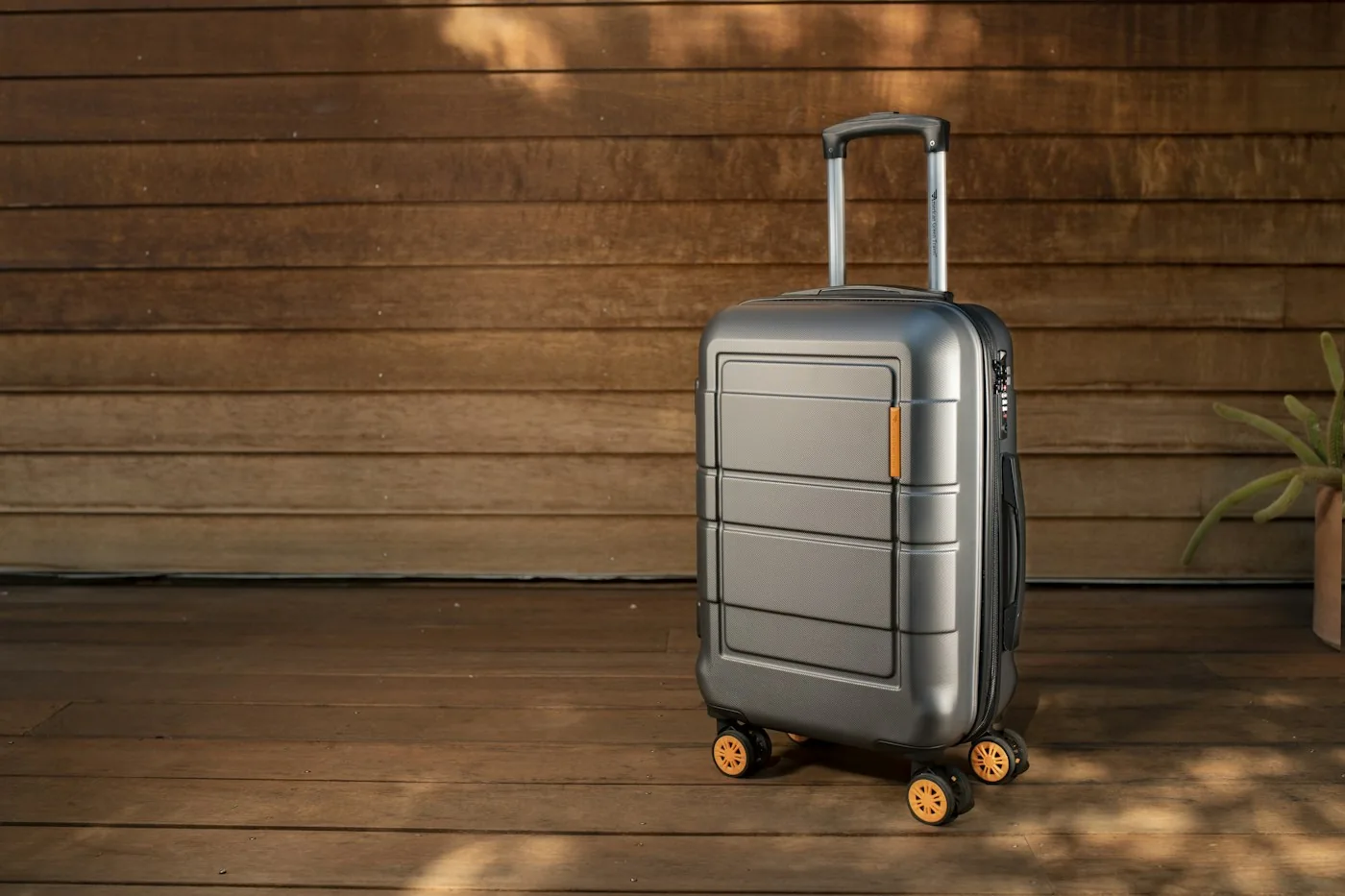
Check the exact service
Train travel does not come with one universal baggage rule. The operator, route and type of service can affect what you may bring and how luggage is handled. Amtrak's baggage information, for instance, notes that some connecting services have policies determined by their operating carriers. Read the rules for your actual booking rather than relying on a general travel checklist.
Confirm the practical details as well as the allowance. Understand whether checked baggage is available, how the station works and what you will need to carry yourself. Requirements can change, so use the operator's current official information before departure.
Separate journey items from destination items
Pack the things you expect to use on board in a small, manageable bag. Travel documents, a book, permitted refreshments and other personal essentials should not require opening the largest case in a narrow space. Keep valuables and important belongings appropriately secure and follow the operator's guidance for storage.
Imagine the first twenty minutes after boarding. If you will need to remove a coat, find a ticket and locate a seat, make those actions easy. A carefully arranged bag is more useful than one that looks perfectly full but hides everything you need.
Test the load before leaving home
Lift and carry the packed luggage in a way that resembles the journey. Consider the walk to the station, stairs, transfers and the move from platform to train. Ask the operator about available assistance and accessibility arrangements when relevant. Do not assume that help or storage will be available without checking.
Remove items included only for unlikely scenarios unless they serve an important purpose. A rail trip can feel spacious once seated while still involving several short carrying tasks. The right amount of luggage is the amount that works across the whole journey, not only beside the seat.
Plan the arrival as carefully as departure
Keep the information for the final connection accessible. Note where you are going from the station and how you will reach it under the conditions expected at arrival. A late arrival with several bags deserves a different plan from a daytime walk with a small backpack. Verify any necessary service directly.
After the trip, review what stayed untouched and what you repeatedly searched for. Use those observations to improve the next packing list. The most effective rail-travel kit is personal and practical: it respects the operator's rules, fits the route and leaves your attention available for the view beyond the window.
Put a luggage tag on each appropriate bag, following sensible privacy precautions. Identifying the right case quickly can make both boarding and arrival less confusing.
Sources & further reading
Source links provide context for this original feature. Illustration is not documentary evidence of a specific event.