Write down the conditions and activities
Packing layers starts with the trip itself. List the settings you expect to move between: transport, city streets, indoor venues and any outdoor activities. Check reliable weather information and destination-specific guidance as departure approaches. A general forecast for a city may not describe the conditions of an excursion beyond it.
For outdoor activity, use appropriate specialist advice rather than treating a casual packing list as complete preparation. The National Park Service's Ten Essentials guidance includes extra clothing suitable for the conditions that could be encountered. The necessary equipment depends on the particular outing, not on a universal number of garments.
Test the whole combination
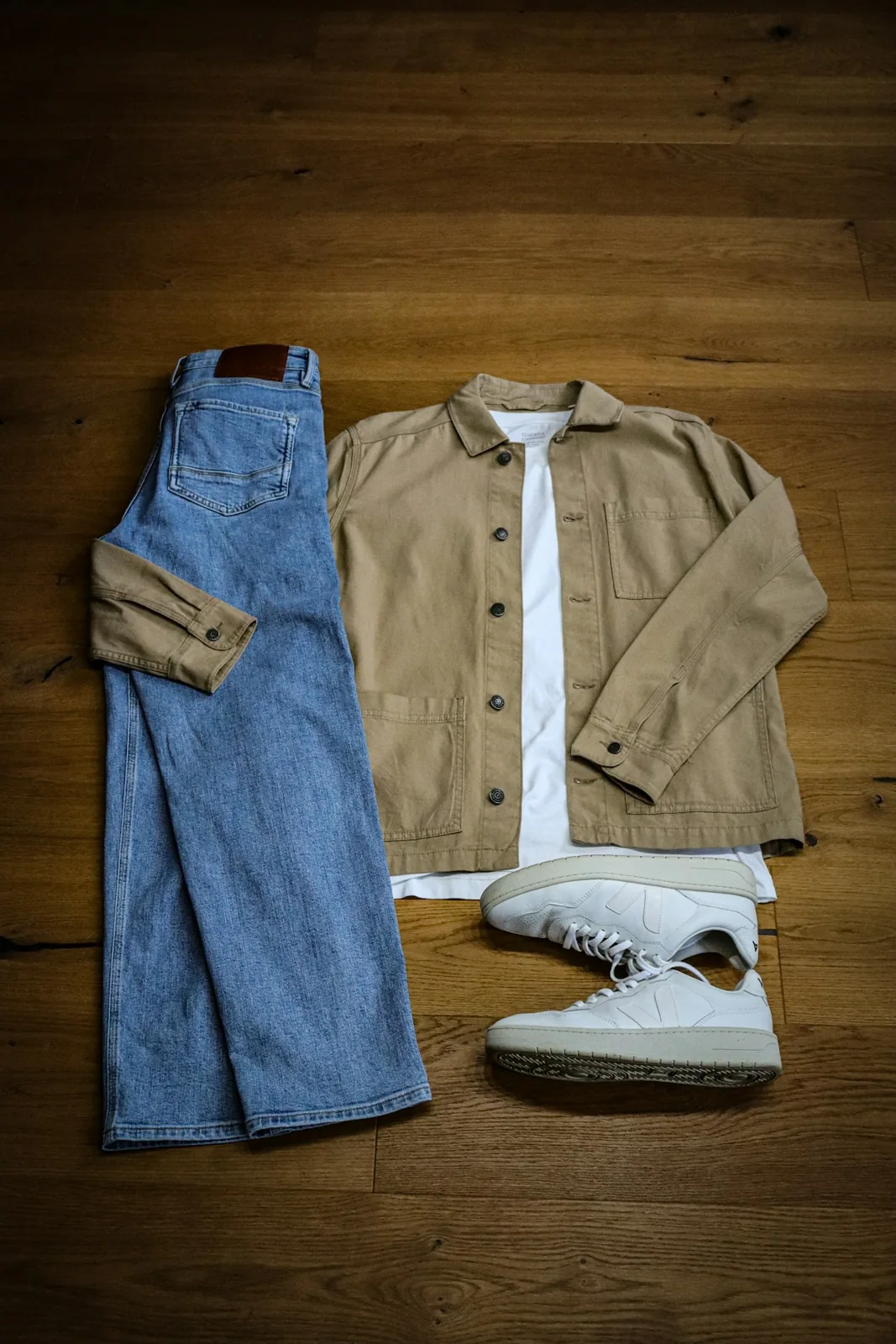
Try on the layers together before putting them in the bag. Check whether sleeves bunch, whether the outer piece closes comfortably and whether you can move as required. A favorite jacket at home may be awkward over the sweater chosen for the trip. Include the shoes and any bag you expect to carry.
Choose combinations that can adapt without requiring a complete change. For an ordinary city visit, that may mean a layer you can remove and store conveniently when entering a building. Think about where that extra piece goes when it is no longer being worn.
Give each item a real role
It is easy to add clothing for every possible mood or photograph. Ask when each piece will be used and what it contributes that another item cannot. Some redundancy is sensible, but several nearly identical options may only make the bag heavier. Balance flexibility with the realities of laundry, drying and the length of the trip.
Read care labels before assuming an item can be washed and ready again overnight. Accommodation and weather may not offer the conditions you have at home. Plan around what is realistically available rather than an idealized travel routine.
Keep the arrival outfit in mind
The first day often combines several different settings. What feels comfortable at departure may need adjustment after a long journey or at a different destination temperature. Make the layer needed on arrival accessible without unpacking everything. If the trip involves formal or specialized requirements, check those directly and pack accordingly.
After returning, note which items worked across several situations and which remained unused. This creates a packing list based on experience rather than guesswork. The best set of travel layers is not necessarily the smallest possible collection. It is a considered set of clothes that works together, suits the trip and leaves you free to pay attention to the place you came to see.
Sources & further reading
Source links provide context for this original feature. Illustration is not documentary evidence of a specific event.