Start with the kind of bread
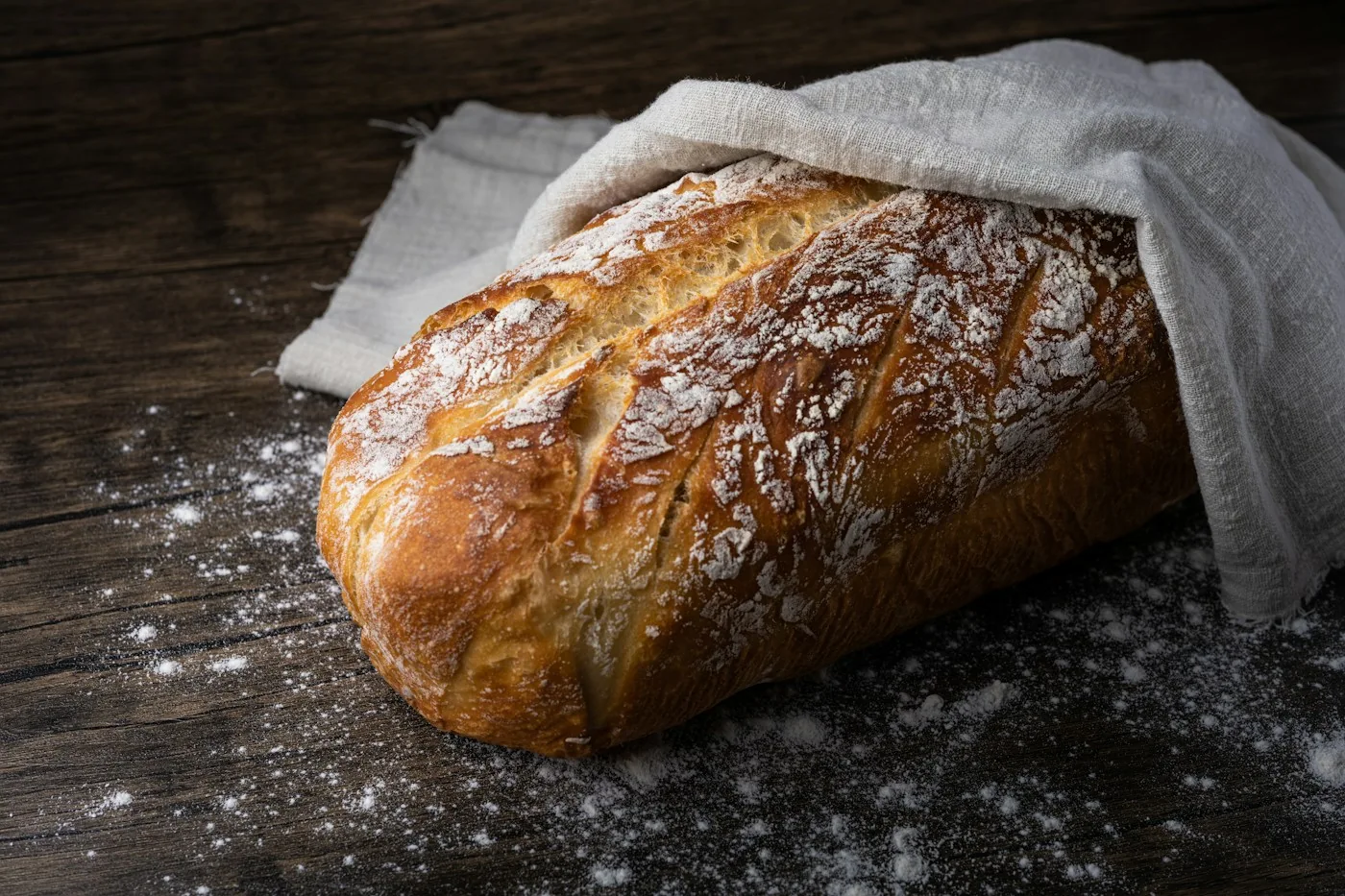
Bread is not a single storage problem. A loaf bought for a crisp crust and a soft sandwich bread are meant to deliver different textures. King Arthur Baking's sourdough-storage guidance makes this distinction, explaining that wrapping choices can affect the crust of an artisan loaf. The first question is therefore not simply where to put the bread, but which quality you are trying to preserve.
Keep the baker's instructions or packaging information when available. The ingredients, form and intended use of a particular product can influence the most suitable approach, especially when a loaf includes fillings or other perishable components.
Plan portions before the loaf disappears
Think about the next few occasions when bread will be used. If your household usually needs two slices at a time, portioning a suitable loaf accordingly can be more convenient than repeatedly handling the whole thing. Use clean equipment and packaging appropriate for food, and label anything you store so its identity and timing remain clear.
A large purchase is only useful if the plan matches real habits. Buying a smaller loaf more often may be the easier choice for one household, while another can manage a larger loaf with a considered freezing plan.
Make texture part of the meal plan
Some bread is bought for toast, some for sandwiches and some for the pleasure of a fresh crust beside dinner. Decide which role matters most rather than expecting one storage method to preserve every quality equally. If you intend to warm or toast it later, use directions appropriate to that bread and the appliance, paying attention to fillings and packaging.
Do not let a texture conversation replace food-safety judgment. Follow the product's instructions and authoritative guidance if you are unsure about spoilage. A loaf that seems merely inconvenient is a different question from one that should not be eaten.
Build a routine around the purchase
Give new bread a clear destination as soon as it arrives home. Leaving it inside an assortment of shopping bags makes it easy to forget both the loaf and the instructions. Put any planned portions away, keep the working portion accessible and note what remains before buying more.
After a few purchases, you will have useful evidence about the size and style your household enjoys. That is a better guide than a universal claim that every loaf belongs in one particular container. Good bread storage begins with recognizing what you bought and ends with making it easy to enjoy at the right moment.
If several people share the kitchen, label the portion intended for a particular meal so the plan is easy for everyone to follow.
Sources & further reading
Source links provide context for this original feature. Illustration is not documentary evidence of a specific event.