Let one ingredient set the direction
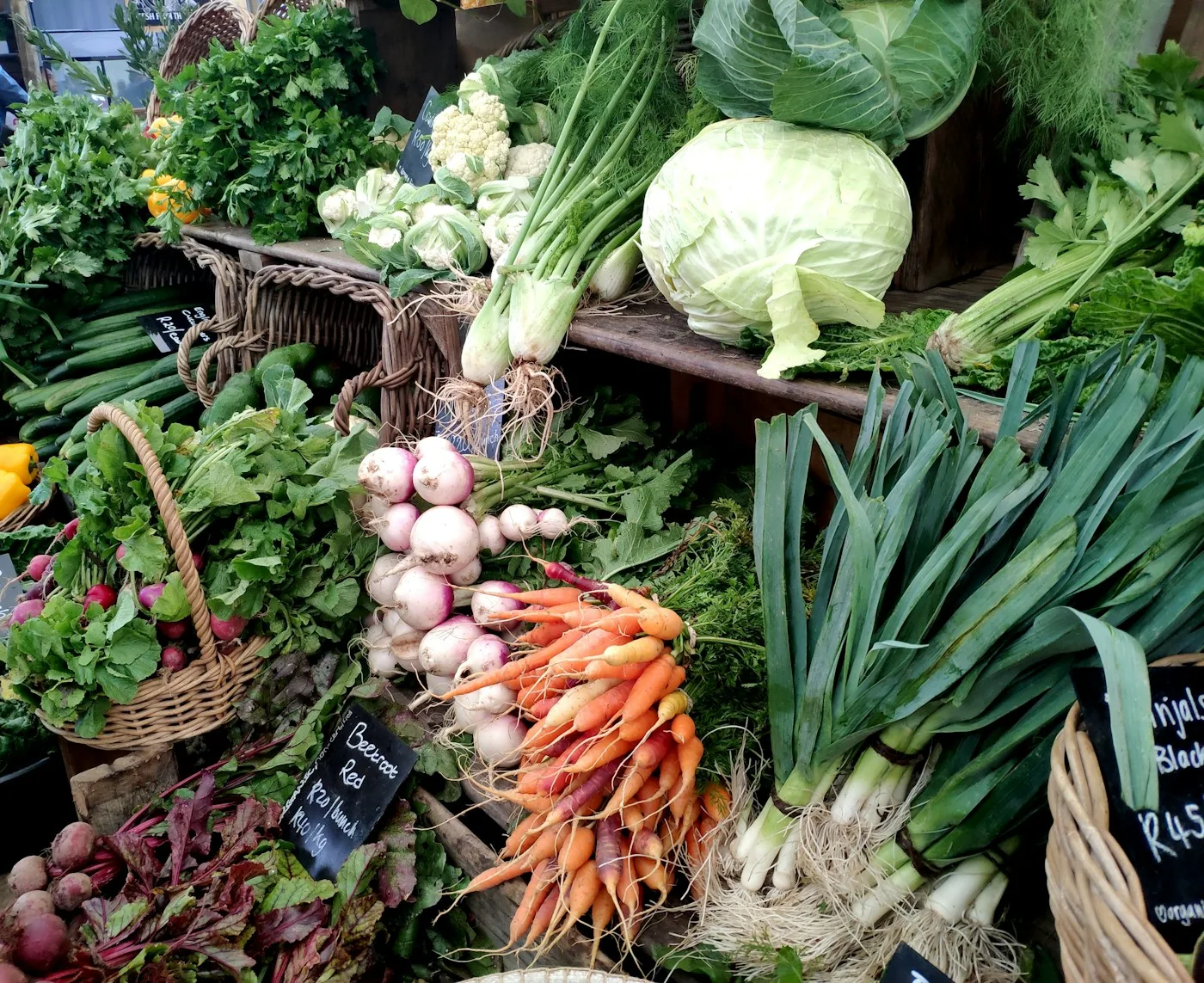
Planning every component of dinner before shopping can make seasonal cooking feel like a test of availability. Try reversing the order for one meal: choose a vegetable that looks appealing, then decide what else belongs beside it. The result does not have to be a complicated new recipe. It can be a familiar bowl, soup, pasta or tray of roasted vegetables organized around one clear starting point.
Seasonality depends on place and growing conditions. Michigan State University Extension's seasonal-eating guidance points readers toward local resources for finding produce. A calendar from another region should be treated as an idea, not a guarantee of what your market will offer.
Choose the role before the recipe
Ask whether the vegetable will be the main feature, a supporting component or a finishing element. A sturdy vegetable may suit a cooked centerpiece, while tender leaves might work best in a quickly assembled side. This simple decision helps you avoid buying several ingredients that all require attention at the same moment.
Next, look at what is already at home. A grain, beans, eggs or another suitable ingredient can provide the structure of the meal according to your preferences. Use a tested recipe when a cooking method is unfamiliar, and follow relevant food-safety instructions.
Limit the number of new tasks
If the vegetable is new to you, keep the rest of dinner familiar. Trying an unfamiliar sauce, a new cooking technique and a complicated side dish together makes it difficult to learn what worked. One new element gives you something useful to notice: texture, timing, seasoning or how the ingredient changes during cooking.
Write a short note after the meal. Include what you used, how you prepared it and what you would change. These observations become a personal seasonal reference that is more practical than a saved collection of recipes you have never cooked.
Make the next meal easier
Buy an amount that matches a realistic plan. Before choosing a large bundle, imagine the second use as clearly as the first. Perhaps part belongs in another tested recipe, or a smaller quantity would make more sense. Follow storage guidance for the particular ingredient rather than assuming all vegetables want the same conditions.
The pleasure of seasonal cooking lies in paying attention, not meeting a rigid ideal. Some weeks the best choice will be a reliable frozen or stored ingredient. On another day, one fresh vegetable may be enough to give an ordinary dinner a different character and a useful new place in your repertoire.
Sources & further reading
Source links provide context for this original feature. Illustration is not documentary evidence of a specific event.