Start with an ordinary evening
The most useful reading corner is the one you would actually choose after dinner. Before buying a chair or moving a bookshelf, sit in the available spots for several minutes with a book. Notice where your feet land, whether your elbows have support and what appears in your direct line of sight. A photogenic corner beside a window may be uncomfortable once the curtains are closed. A less obvious place beside a sofa may work beautifully.
Treat this as a small experiment rather than a decorating project. Place an existing chair, a lamp and a temporary side table in the proposed location. Use the arrangement for a week before deciding that it needs more furniture.
Give the chair a practical companion
A landing place for a book, glasses and a drink matters more than a collection of ornaments. Choose a surface that you can reach without leaning across the room. If the corner doubles as a walkway, a narrow table may be more useful than a broad one. Leave enough room to stand up naturally and to move past the seat without turning sideways.
Keep the nearest books limited to what you are reading now. A small rotating stack gives the corner a purpose without creating another sorting task. The rest of the library can remain wherever it is easiest to store and find.
Plan for the hour you use it
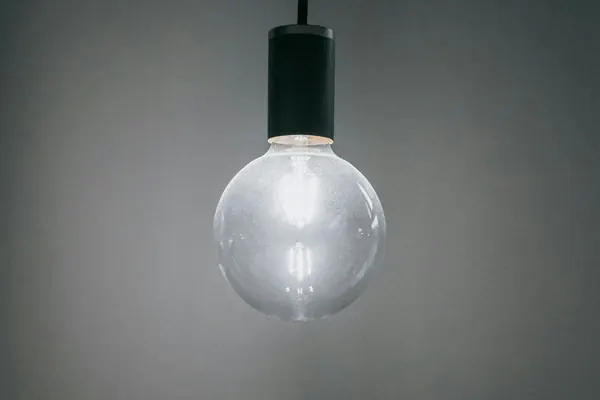
Daylight and evening light create different rooms. Test the lamp from your normal sitting position, checking whether it illuminates the page or reflects into your eyes. Position adjustable lighting so that you can move it when changing seats or reading formats. Keep cords out of the walking route and follow the lamp manufacturer's instructions for compatible bulbs.
If noise is the main obstacle, choose a location away from the busiest household activity. A reading corner does not need to feel cut off. It simply needs to make opening a book easier than searching for somewhere to put it.
Let the arrangement stay modest
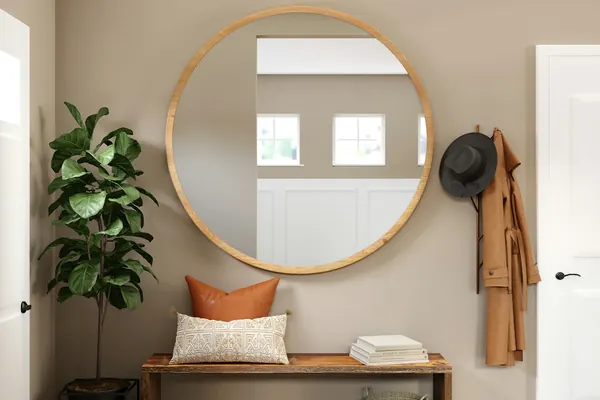
Add a cushion or throw only if it improves how the seat feels. Introduce color through an item already in the room rather than trying to reproduce a complete showroom palette. A reading corner should fit the people who use it, including their preferred posture, reading material and tolerance for clutter.
At the end of the trial week, remove anything that repeatedly gets moved out of the way. Keep what earns its place. The successful result may be just a chair, a light and a shelf, but that is enough to turn an overlooked part of the room into a daily destination.
Sources & further reading
- Original editorial planning guide. The practical suggestions in this article are editorial judgments.
Source links provide context for this original feature. Illustration is not documentary evidence of a specific event.