Brightness is a separate question
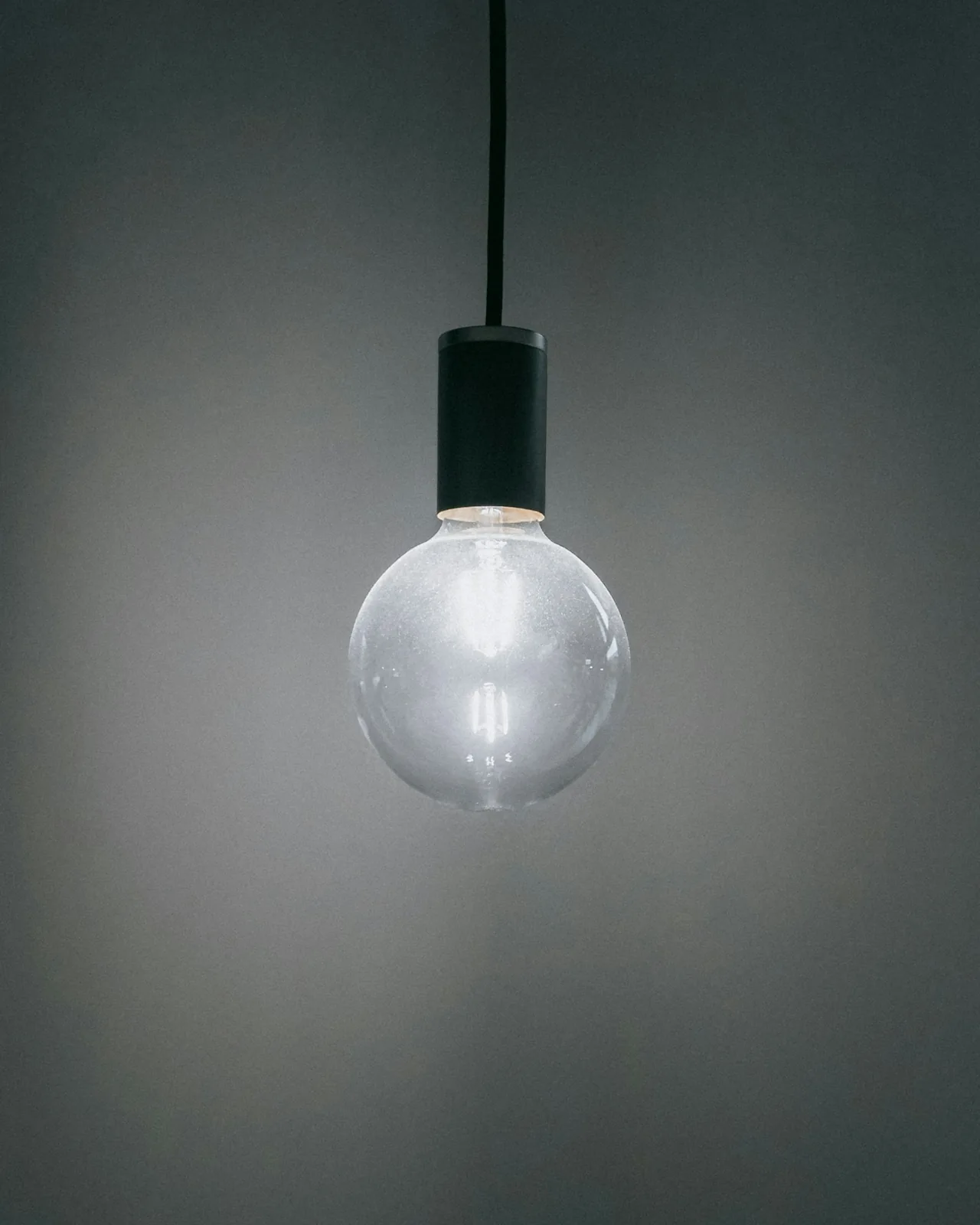
Buying a light bulb becomes easier when you separate three questions: how much light you want, what the light should look like and whether the bulb works with the fixture. The Federal Trade Commission's consumer guidance points shoppers toward lumens when comparing brightness and the Lighting Facts label for other useful details. Wattage describes energy use, so it is not a complete description of the light you will experience.
Begin with the job. A lamp used for detailed reading has a different purpose from a light left on during a film. Describe that purpose before comparing packages, and note what you dislike about the existing setup.
Look at light appearance
The label's light-appearance information helps distinguish warmer and cooler-looking options. Rather than choosing by a descriptive name alone, compare the information printed on the package. Brands can use similar words for products that do not look identical in the same room. The shade, wall colors and surrounding daylight also influence the result you see.
If several fixtures appear together, test their light as a group. One replacement may make neighboring bulbs look unexpectedly different. Buy a single example when practical, keep the packaging and view the room at the time of day when the lighting matters most.
Check the fixture before the finish
Read the fixture's instructions and rating, not just the bulb's sales description. Base size, physical shape and suitability for the installation matter. A bulb that fits through the opening may still be unsuitable for an enclosed fixture or a dimmer. Follow the manufacturer's compatibility information, and stop using a product that behaves abnormally rather than treating flicker as an inevitable inconvenience.
Make a small note of the details that work: fixture location, bulb model and the light appearance you prefer. This saves time when the next replacement is needed and helps prevent a drawer full of almost-right spare bulbs.
Use placement as part of the solution
Sometimes the problem is not the bulb. A single overhead fitting can leave the page in shadow while making the ceiling look bright. Try repositioning an existing lamp or changing where you sit before adding more light everywhere. Aim for a comfortable view of the task, with attention to reflections on screens and glossy surfaces.
Once you find a combination you like, repeat it selectively. A home can use different lighting for different activities without feeling inconsistent. The goal is to understand each purchase well enough that the room works in practice, rather than choosing the brightest or most fashionable box on the shelf.
Sources & further reading
Source links provide context for this original feature. Illustration is not documentary evidence of a specific event.