Look at the spot over a whole day
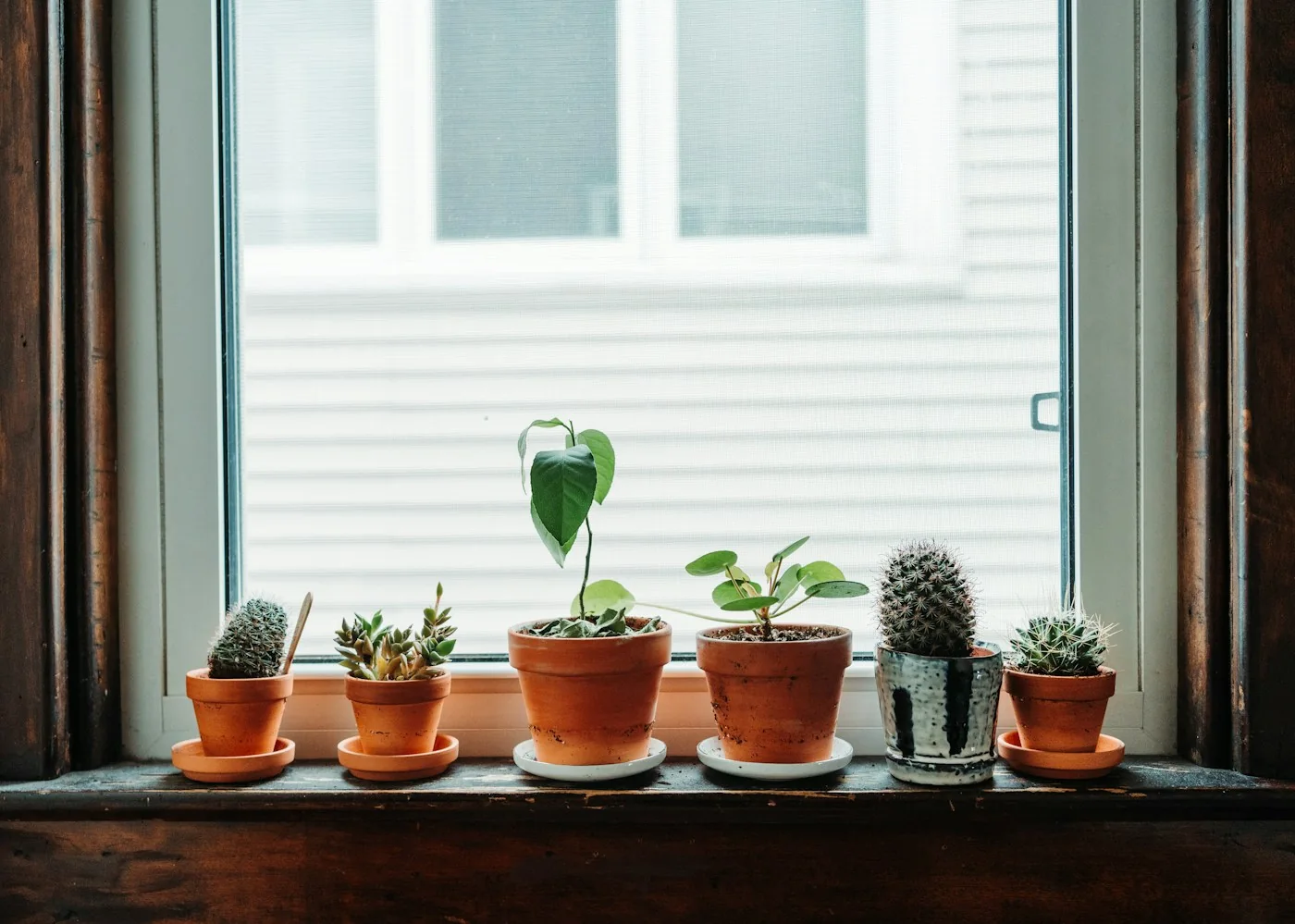
An empty shelf is an invitation to decorate, but it is not a description of growing conditions. Before choosing a houseplant, watch the intended spot in the morning, around midday and later in the afternoon. Note whether sunlight reaches the leaves directly, whether a building blocks the window and how far the shelf is from the glass. A bright-looking room can contain very different locations for a plant.
University of Minnesota Extension explains that light is necessary for photosynthesis and that both intensity and duration matter. Its guidance encourages assessing available light before deciding whether supplemental lighting is needed.
Match a real plant to a real location
Write down the light conditions and compare them with guidance for the specific species you are considering. Avoid treating a broad shop label as a promise that any plant will thrive anywhere. Ask for the plant's name and care information, and consider whether the household can provide the watering, space and maintenance it needs.
The eventual size matters too. A young plant that fits neatly beside a computer may need more room later. Think about how the foliage will sit without blocking a walkway, resting against a hot surface or being repeatedly brushed by a curtain.
Make care easier to observe
Start with a location where you will actually notice the plant. A decorative pot on a high ledge can hide changes until they are difficult to ignore. Keep a simple note of the species, purchase date and the conditions at home. If growth or appearance changes, those observations are more useful than guessing which internet tip to try next.
Use species-specific information when adjusting care. More water is not a universal answer to an unhappy plant. Check the pot, drainage, light and other conditions before making several changes at once, and seek local extension guidance for a problem you cannot identify.
Buy more slowly than you decorate
Let the first plant settle into its routine before creating a large collection. This gives you time to understand which parts of the room are suitable and which tasks fit your schedule. You may discover that one well-placed specimen creates the atmosphere you wanted more effectively than a crowded line of pots.
Photograph the arrangement occasionally from the same position. This is a convenient way to notice changes in size and shape without turning care into a complicated project. A thoughtful plant collection grows from observation: the room offers certain conditions, the plant responds, and the next purchase reflects what you have learned rather than what happens to be available at checkout.
Sources & further reading
Source links provide context for this original feature. Illustration is not documentary evidence of a specific event.